Theo Jung · 18 September 2026
Navigating the Lifespan of Evergreen Narratives Across Successive Domain Ownership Transitions
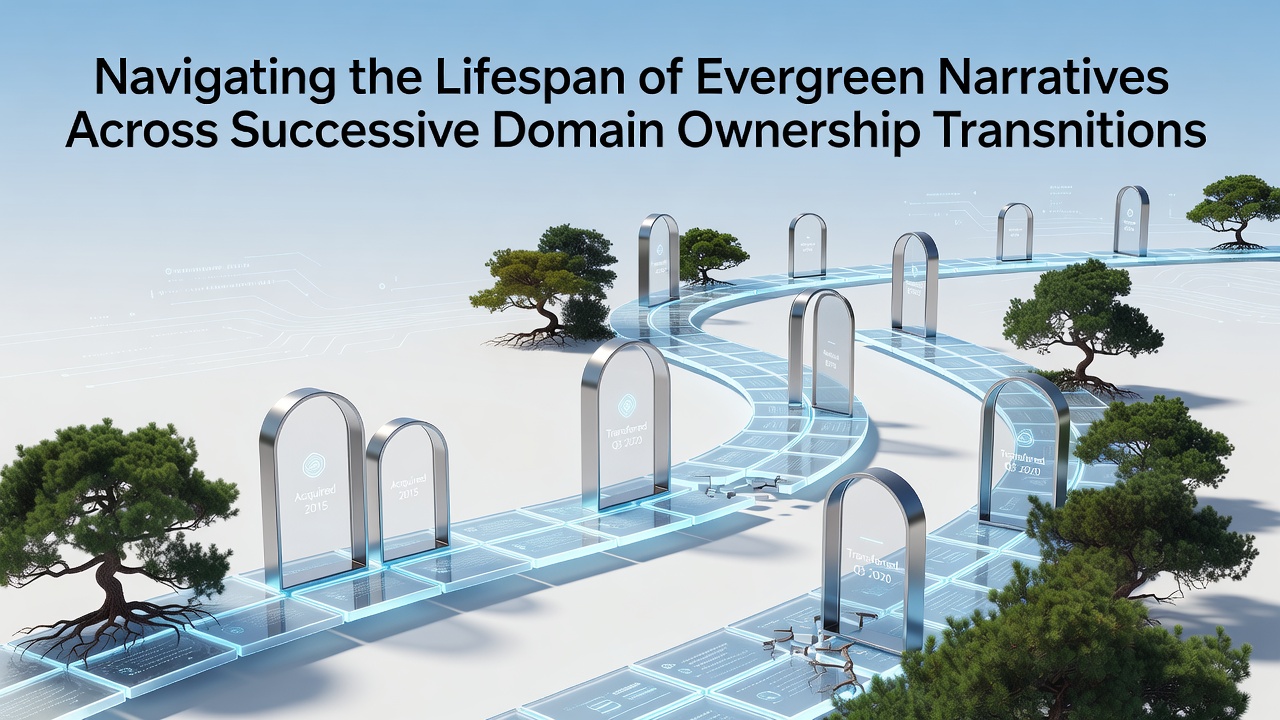
Evergreen narratives maintain relevance across extended periods because their core information addresses ongoing interests or practical needs that do not diminish with calendar shifts, and successive domain ownership transitions introduce variables that influence how those narratives persist in search indexes and user access patterns. Domain transfers occur through registrar processes governed by standard protocols, where ownership records update in WHOIS databases while content files remain on hosting servers or migrate to new infrastructure, and each change carries implications for URL continuity, metadata preservation, and crawl frequency by automated systems.
Initial Domain Acquisition and Narrative Establishment
Content creators establish evergreen narratives on domains registered for specific purposes, often selecting names that align with topical keywords or brand identifiers, after which the material undergoes indexing by major search engines within standard timeframes reported in industry documentation. Ownership at this stage typically remains stable for periods ranging from months to years, allowing consistent publication schedules and incremental updates that reinforce topical authority through internal linking structures and external references. Researchers have documented that stable ownership correlates with steady accumulation of backlinks from related sites, since external publishers reference URLs that demonstrate consistent availability and content freshness.
Effects of First Ownership Transition
When a domain changes hands for the first time, the acquiring party receives control over DNS settings, hosting accounts, and content management systems, which enables decisions about whether to retain existing pages or implement redirects for legacy URLs. Redirect chains form during these handovers when new owners preserve historical content while updating navigation elements, and search engine algorithms process these signals according to established guidelines that prioritize user experience metrics such as load times and mobile responsiveness. Observers note that evergreen narratives often survive this phase because their foundational data, such as statistical references or instructional steps, requires minimal revision compared to time-sensitive news formats, although title tag modifications or schema markup additions can alter how search snippets appear in results pages.
Subsequent Transfers and Content Continuity Patterns
Multiple ownership changes compound the variables because each transition may involve different hosting providers, content management platforms, or editorial priorities that affect page structure and internal link architecture. Data shows that domains experiencing three or more transfers within a five-year window demonstrate measurable fluctuations in organic visibility metrics, particularly when redirects fail to cover all legacy paths or when new owners introduce substantial content revisions that dilute original keyword associations. Those who study digital archiving practices point to September 2026 as a period when registry policy adjustments in several top-level domains prompted increased scrutiny of transfer documentation, leading some operators to implement enhanced verification steps that indirectly influenced content migration timelines for established sites.
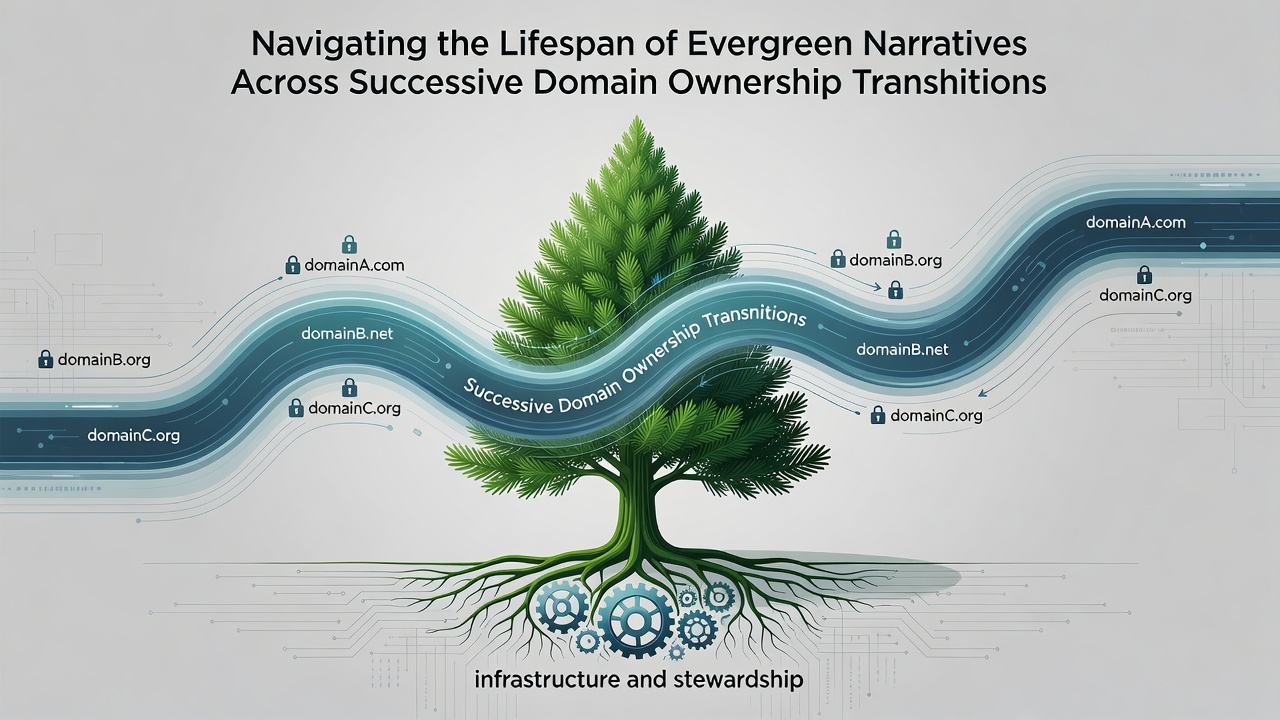
Evergreen narratives benefit from their inherent adaptability because factual elements like procedural guides or reference lists can transfer across platforms without requiring complete rewrites, whereas narrative framing sometimes shifts to match new audience demographics identified through analytics tools. Industry reports from the European Commission digital strategy documentation highlight how regulatory frameworks around data portability support smoother content handovers when ownership changes hands across jurisdictions, reducing the risk of indexing gaps during propagation periods that typically last several weeks.
Indexing and Visibility Maintenance Across Handovers
Search engine crawlers revisit domains at intervals determined by historical update patterns and authority signals, so ownership transitions that coincide with server migrations can temporarily reduce crawl rates until new infrastructure demonstrates consistent performance. People managing these sites often implement sitemap updates and robots.txt reviews immediately after transfer completion to signal continuity to automated systems, and studies from academic sources such as those published through Library of Congress digital preservation initiatives indicate that proactive metadata retention improves long-term discoverability of archived materials. Evergreen content that incorporates structured data elements maintains advantage because schema types remain functional regardless of domain registrar changes, provided the markup code travels with the page files during migration.
Conclusion
Successive domain ownership transitions shape the operational environment for evergreen narratives through technical, administrative, and indexing mechanisms that operate independently of editorial intent. Patterns observed across multiple transfer events demonstrate that preservation of URL structures, consistent application of redirects, and retention of core factual elements contribute to sustained accessibility, while deviations in these areas correlate with temporary or extended visibility reductions according to publicly available performance datasets. Continued monitoring of registry policies and hosting stability remains relevant for parties involved in domain transactions that encompass established content libraries.