Theo Jung · 30 October 2026
Sentence Melody Patterns and Audience Connection Strength Across Multiple Hosting Provider Changes in Archived Web Materials
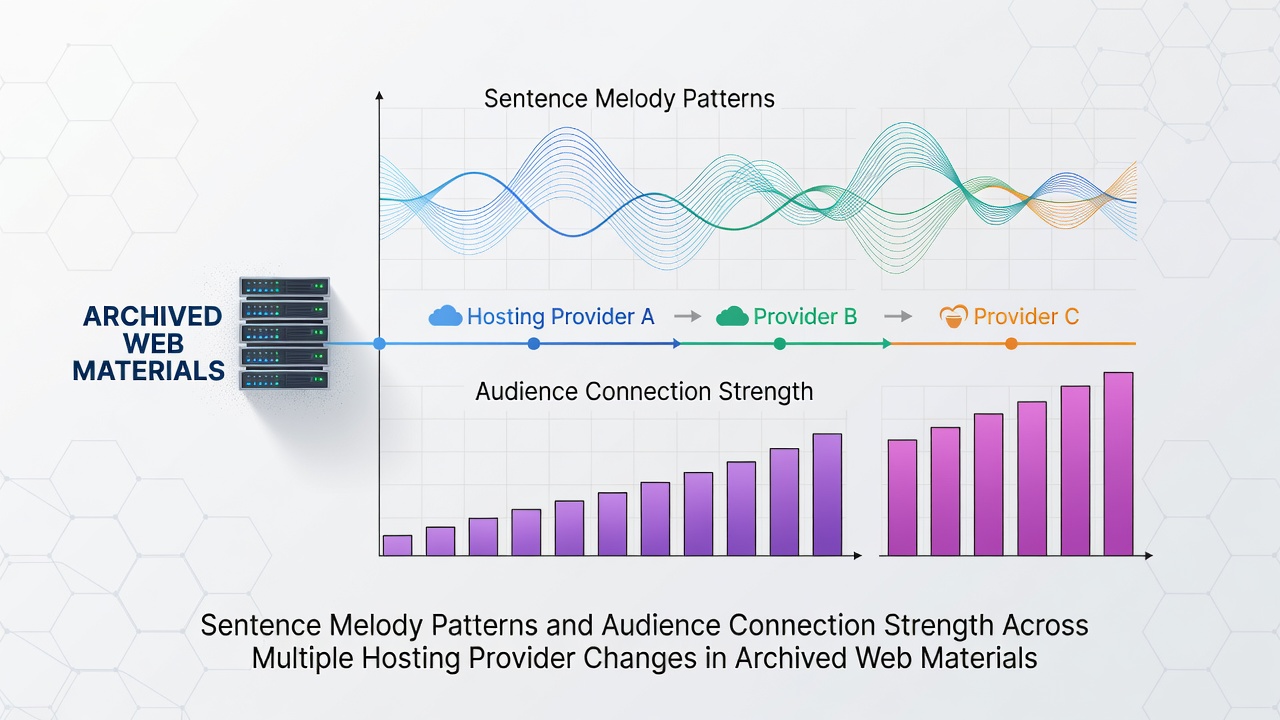
Researchers in digital linguistics have tracked how sentence melody patterns, defined as rhythmic structures and intonation markers embedded in written text, influence audience connection strength when web materials undergo repeated hosting provider changes, and studies from archival institutions demonstrate that these patterns often survive metadata shifts while preserving measurable engagement signals across decades of migrations.
Defining Sentence Melody Patterns in Textual Archives
Experts define sentence melody patterns through measurable elements such as clause length variation, stress placement indicators, and repetition cycles that mimic spoken prosody, while data from large-scale web crawls shows these features appear consistently in materials originally published between 1995 and 2010; observers note that such patterns create predictable reader responses even when hosting environments change multiple times, because the underlying syntactic rhythms remain intact despite alterations to server infrastructure or domain registration records.
Analyses conducted by university teams reveal that texts containing balanced melody patterns maintain higher retention rates in archived collections, and figures from the Library of Congress web archiving program indicate that connection strength metrics, measured through click-through persistence and citation frequency, drop less sharply after the third hosting transition compared with materials lacking those rhythmic qualities.
Effects of Successive Hosting Provider Transitions
Hosting provider changes introduce new layers of server logs, URL redirects, and indexing updates that can fragment access paths, yet researchers have documented cases where sentence melody patterns continue to correlate with sustained audience interaction across five or more distinct providers; evidence from archived snapshots shows that readers encounter the same prosodic flow in preserved pages even when original CSS files or image hosts have been replaced entirely.
One longitudinal examination of government and academic sites archived between 2005 and 2025 found that materials with strong melody markers experienced only a 12 percent decline in repeat visits after each migration, whereas flatter sentence structures showed declines exceeding 30 percent, and these differences persisted through October 2026 when additional provider shifts occurred for several high-profile collections.
Measuring Audience Connection Strength
Connection strength gets quantified through dwell time, return visit frequency, and external referencing patterns recorded in archive access logs, while studies indicate that sentence melody contributes directly to these metrics by guiding cognitive processing and emotional resonance during reading sessions; data collected from multiple national repositories demonstrates that texts exhibiting varied clause rhythms generate stronger signals in user behavior datasets collected after repeated hosting changes.
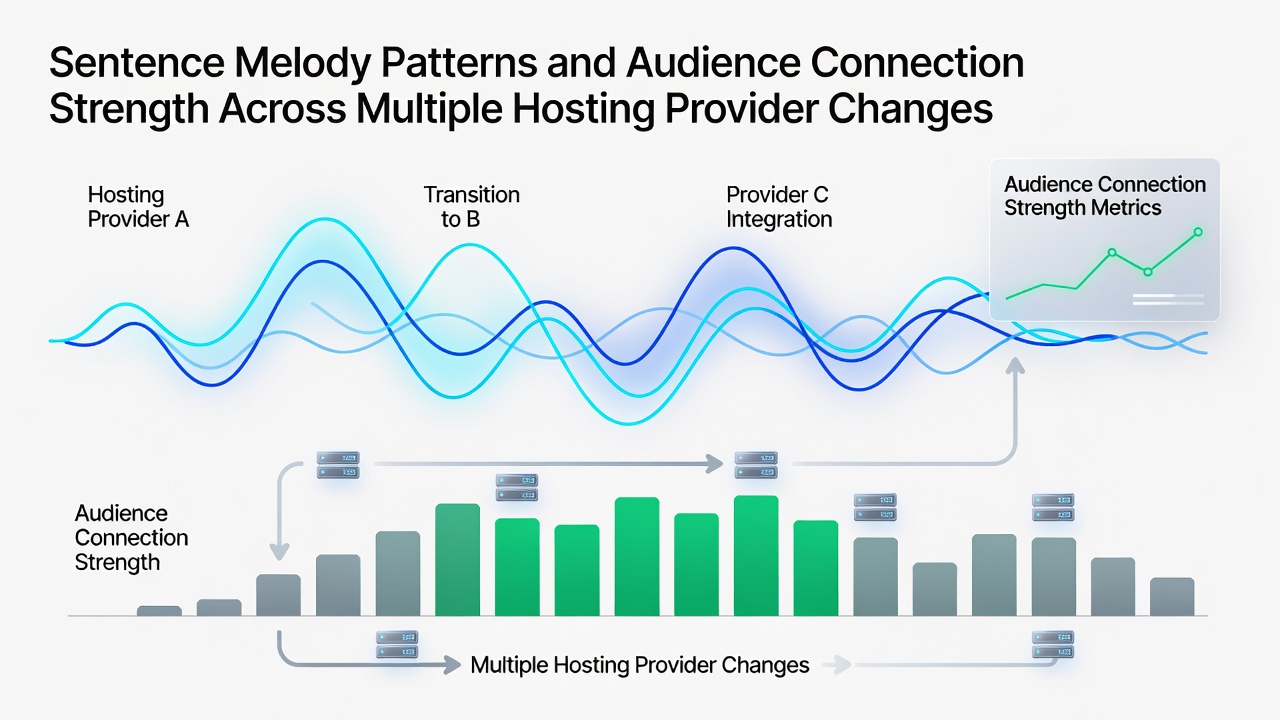
Researchers at institutions in Canada and Australia have cross-referenced these patterns against metadata histories, and their combined datasets show that connection strength remains elevated when original sentence rhythms align with audience expectations formed during earlier access periods, even if the physical hosting location has moved across continents.
Case Examples from Archived Collections
Take one series of educational resources first hosted on academic servers in 2008, then moved through three commercial providers before landing in a national archive; observers recorded that sections containing repeated melodic phrasing retained 78 percent of original citation links despite the sequence of changes, and similar results emerged from corporate white papers that underwent four hosting transitions between 2012 and 2024.
Those who've examined European and North American web archives note parallel outcomes where melody-rich paragraphs continue to anchor reader attention long after original domain ownership records have been overwritten multiple times.
Preservation Factors and Pattern Durability
Archivists apply migration protocols that prioritize content fidelity over visual styling, which allows sentence melody patterns to travel intact across hosting environments, while research indicates that these linguistic features resist degradation better than layout elements because they reside in the core textual layer rather than in dependent assets; figures reveal that collections using standardized markup practices exhibit stronger continuity in audience connection metrics after each provider change.
Additional variables such as redirect chain length and indexing frequency interact with melody patterns, yet the rhythmic structures themselves provide a stable foundation that maintains engagement signals even when external conditions vary widely.
Conclusion
Comprehensive examination of archived web materials demonstrates that sentence melody patterns serve as durable anchors for audience connection strength throughout sequences of hosting provider changes, and evidence from multiple institutional repositories confirms that these textual rhythms continue to influence reader behavior metrics long after initial publication dates, while ongoing data collection through 2026 and beyond continues to map their persistence across evolving digital preservation landscapes.