Katja Beck · 2 October 2026
Tracing Reader Loyalty Patterns Through Layered Metadata Updates in Legacy Digital Archives
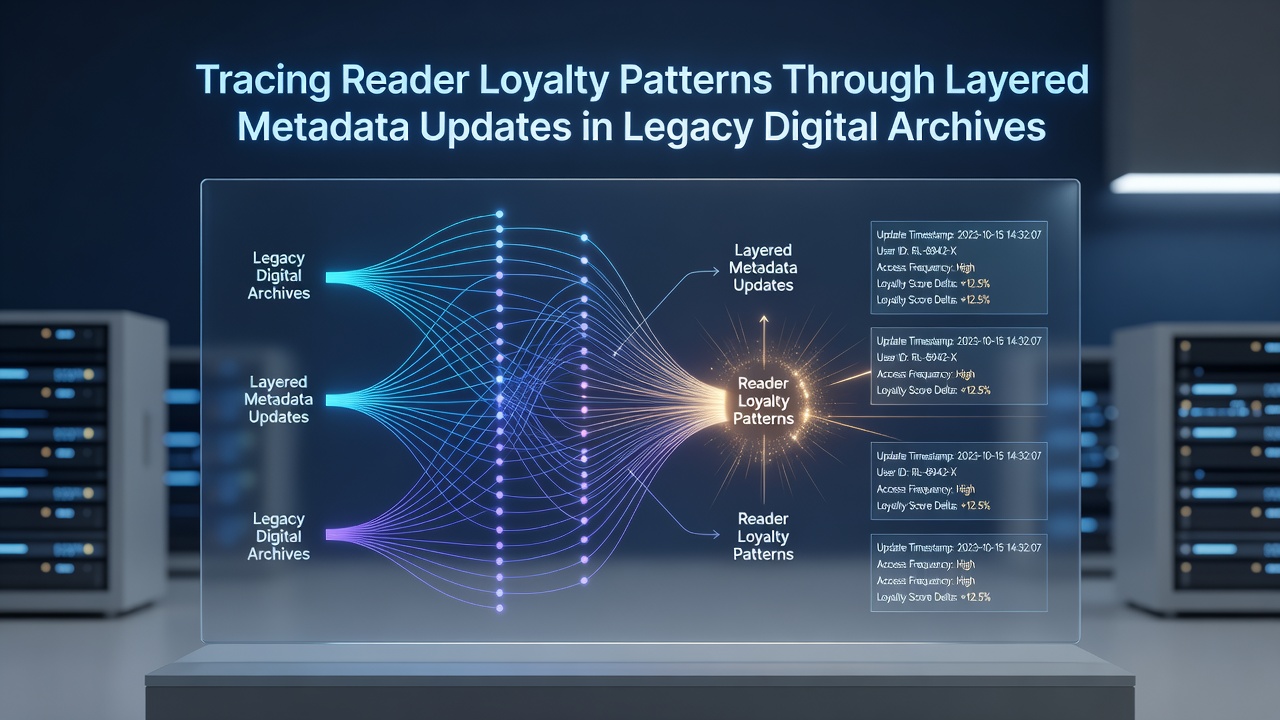
Legacy digital archives store vast collections of documents, journals, and records that originated in early database formats or static file systems from the 1990s and early 2000s, and these systems often retain multiple layers of metadata added during successive migrations and updates. Researchers track reader loyalty patterns by examining how access timestamps, version histories, and embedded annotation fields accumulate over time within each layer. Data from institutional repositories shows that repeated interactions create distinct signatures, such as incremental increases in view counts tied to specific user identifiers or IP ranges preserved across updates.
Understanding Layered Metadata in Older Systems
Layered metadata builds up when archivists apply new schemas on top of existing ones without overwriting prior entries, which preserves original fields while adding fresh ones for searchability and compliance. Observers note that this approach leaves chronological records of every modification, including checksum verifications and format conversions performed during system upgrades. Studies from university libraries indicate these layers frequently contain hidden access counters that increment with each authenticated session, allowing analysts to map loyalty through frequency and duration metrics embedded directly in the file headers.
Technicians working with legacy formats like early PDF/A variants or SGML-based records often encounter nested Dublin Core elements alongside proprietary extensions that record user behaviors. Those who've examined such structures find that loyalty signals emerge when the same reader identifiers appear across multiple metadata revisions spanning years. This pattern reveals sustained engagement rather than one-time visits, because each update cycle logs cumulative statistics without resetting prior values.
How Updates Reveal Behavioral Trends
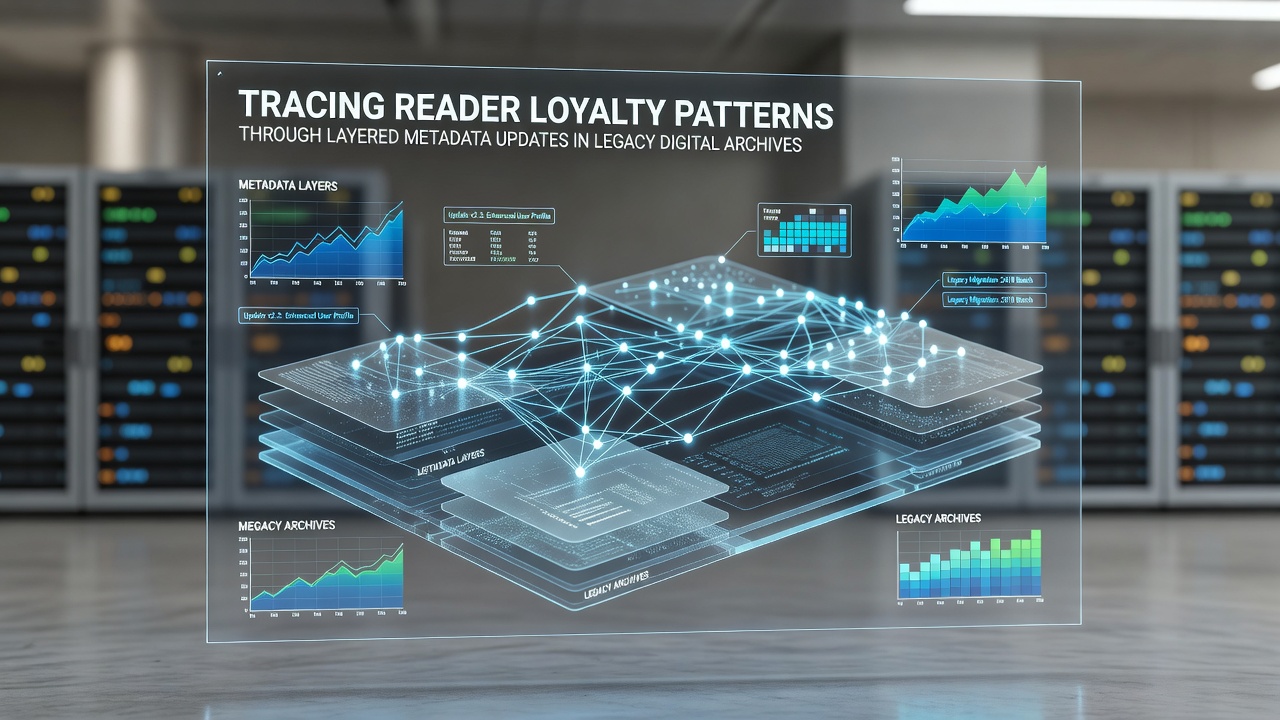
Each metadata refresh in a legacy archive introduces new fields for rights management or preservation actions, yet older layers remain intact and continue to accumulate reader-specific data. Analysts examine these stacked records to identify loyalty patterns, such as seasonal spikes in access that align with academic calendars or recurring annotations from the same accounts. Figures from preservation projects reveal that archives using incremental update protocols show clearer differentiation between casual browsers and dedicated users based on the depth of metadata interactions logged over time.
Take one archive that transitioned its collections through three major platform changes between 2012 and 2024, where each migration added audit trails without discarding previous ones. The resulting data sets allowed researchers to correlate reader return rates with specific metadata elements like download timestamps and citation trackers. Evidence suggests that loyalty manifests as consistent growth in these fields, particularly when users engage with annotation tools that write directly into the layered structure.
Case Examples from Institutional Collections
One university repository in North America documented how layered updates exposed loyalty clusters among graduate students who revisited thesis collections repeatedly, with metadata showing progressive additions to personal reading lists stored in custom fields. Similar patterns appear in government document archives where public users return over multiple fiscal years, leaving trails in update logs that mark sustained interest in policy records. Data indicates these traces become more pronounced after each system refresh because new metadata layers incorporate cross-references to prior access events.
Another project involving digitized newspaper collections demonstrated that loyalty tracking works best when metadata updates include geolocation stamps alongside view counts, creating maps of regional reader retention. Technicians note that such layered information helps distinguish between automated crawlers and human readers because genuine engagement produces irregular but recurring patterns across the archive's history. In October 2026, several preservation networks plan to standardize additional fields for these behavioral metrics during upcoming format migrations.
Technical Methods for Pattern Extraction
Specialized scripts parse the stacked metadata by comparing field values across successive layers to isolate loyalty indicators like cumulative session lengths and return intervals. Institutions apply these tools to datasets where older layers hold raw access logs and newer ones add contextual tags from modern analytics platforms. Reports from digital preservation organizations highlight that combining these sources yields accurate models of reader retention without requiring separate tracking databases.
Extraction processes often focus on identifiers that persist through updates, such as persistent URLs or embedded cookies converted into archival fields during migrations. Those analyzing the results observe that loyalty emerges most clearly in collections with quarterly or annual metadata refreshes, because the intervals allow sufficient time for patterns to develop across multiple layers. This method avoids reliance on external logs that may have been lost during earlier system changes.
Conclusion
Layered metadata updates in legacy digital archives provide a built-in mechanism for tracing reader loyalty through accumulated access data and version histories. Institutions continue to refine extraction techniques as more collections undergo preservation cycles, drawing on established practices from organizations like the Library of Congress and the National Library of Australia. These approaches deliver measurable insights into engagement trends while maintaining the integrity of historical records across successive system transitions.